
Product Specifications
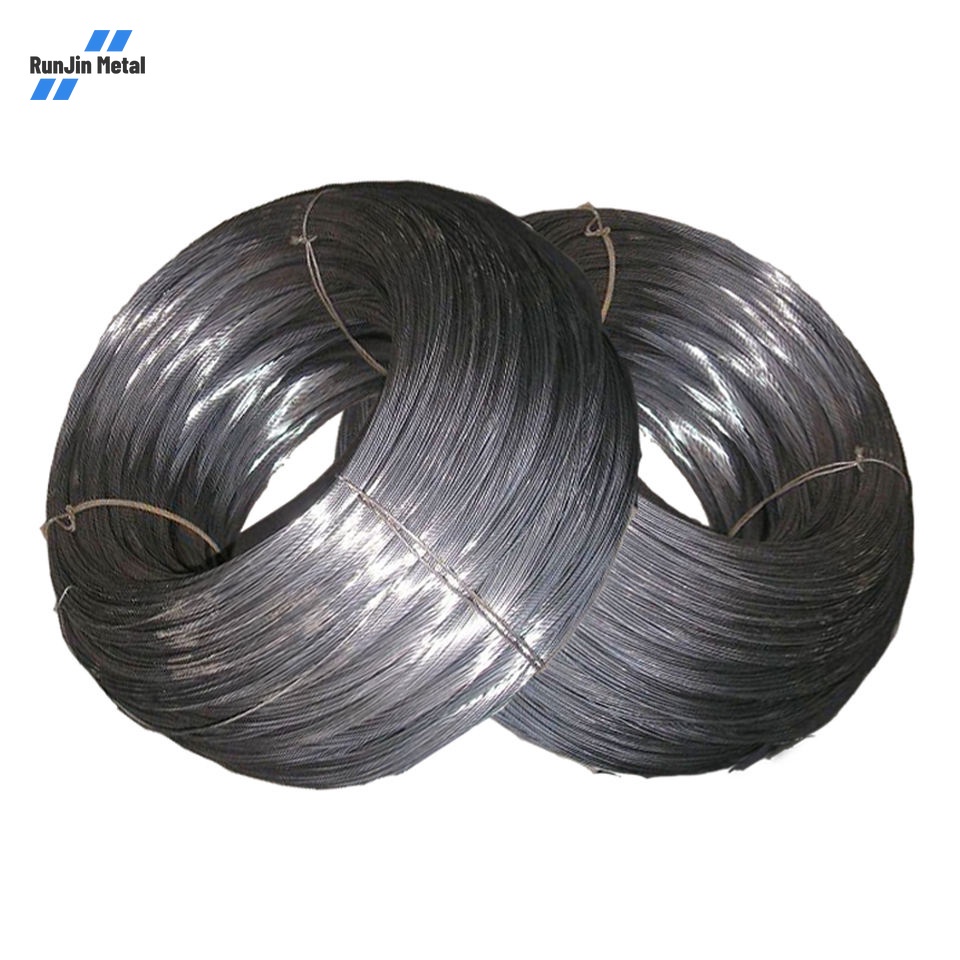
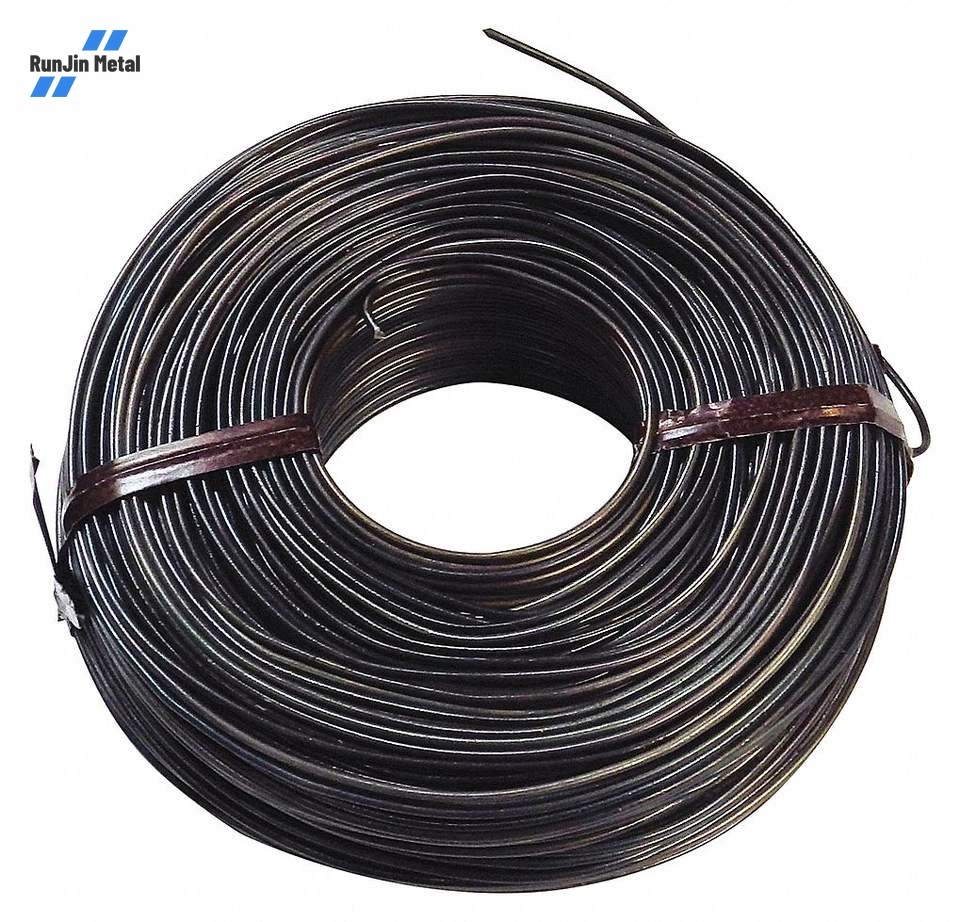
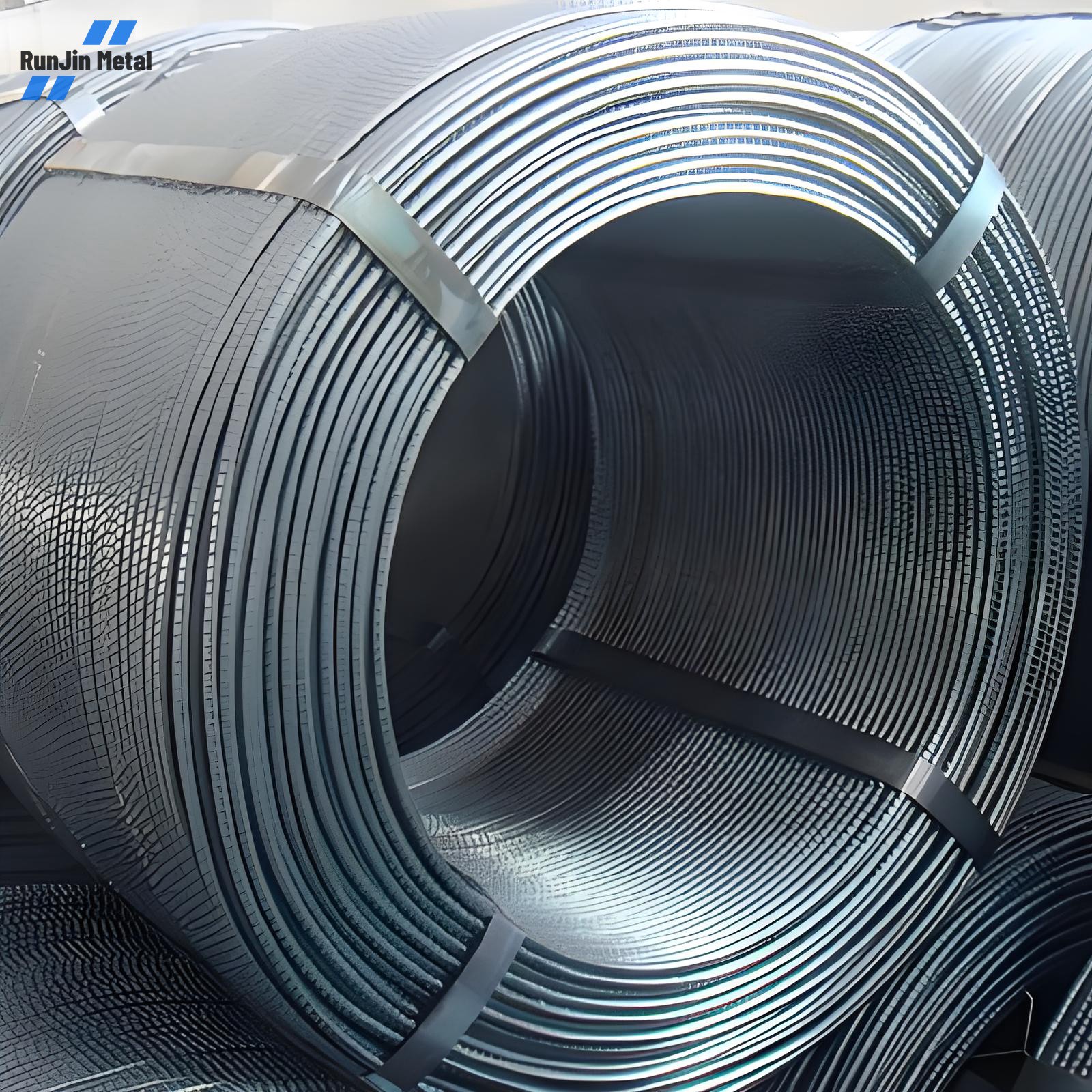
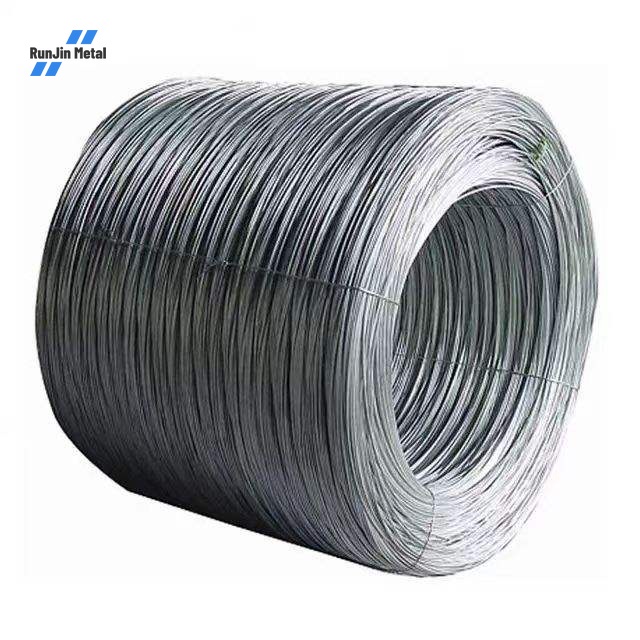
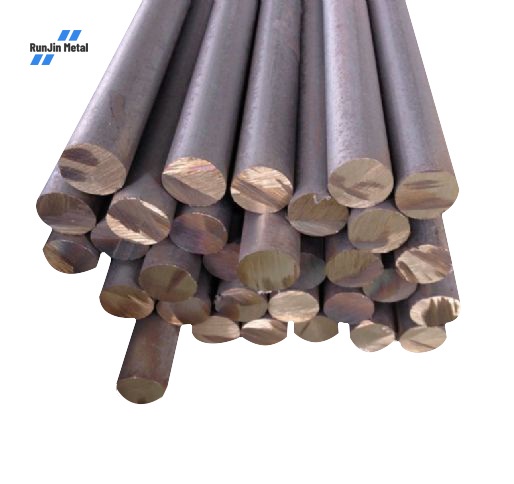
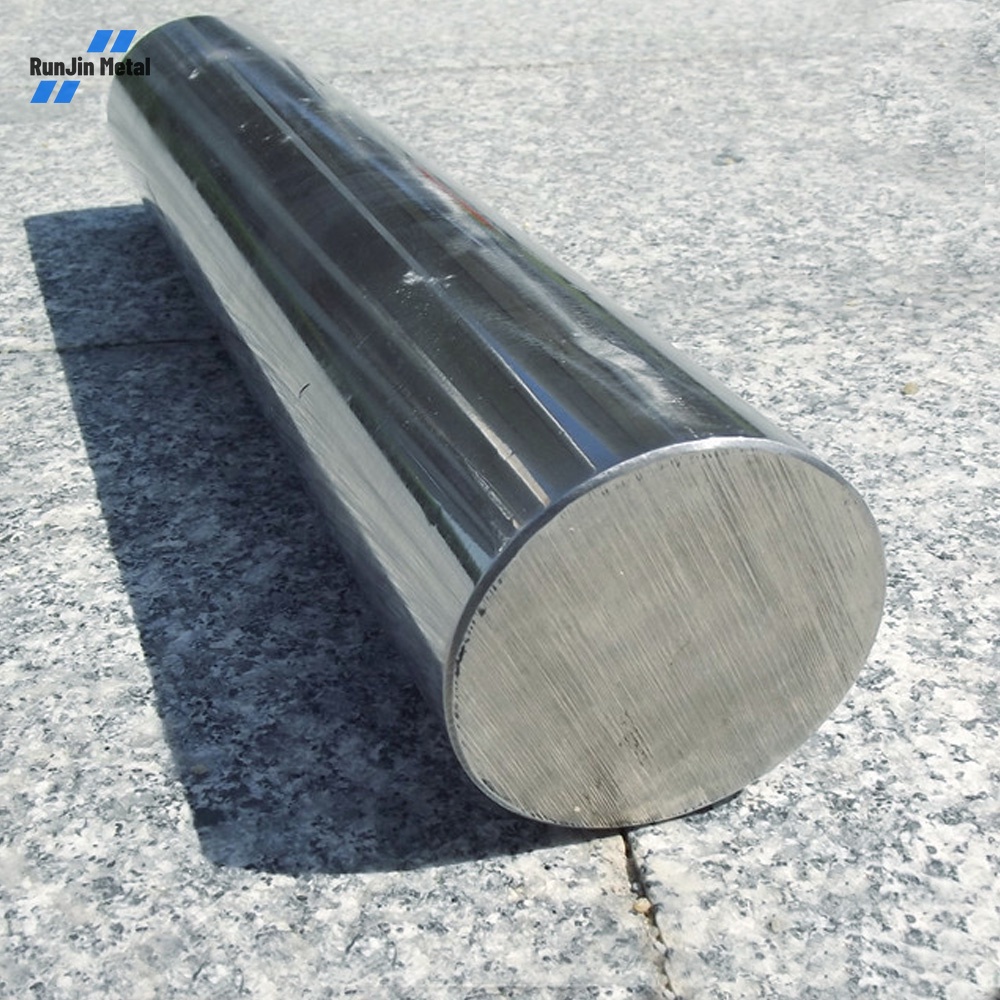
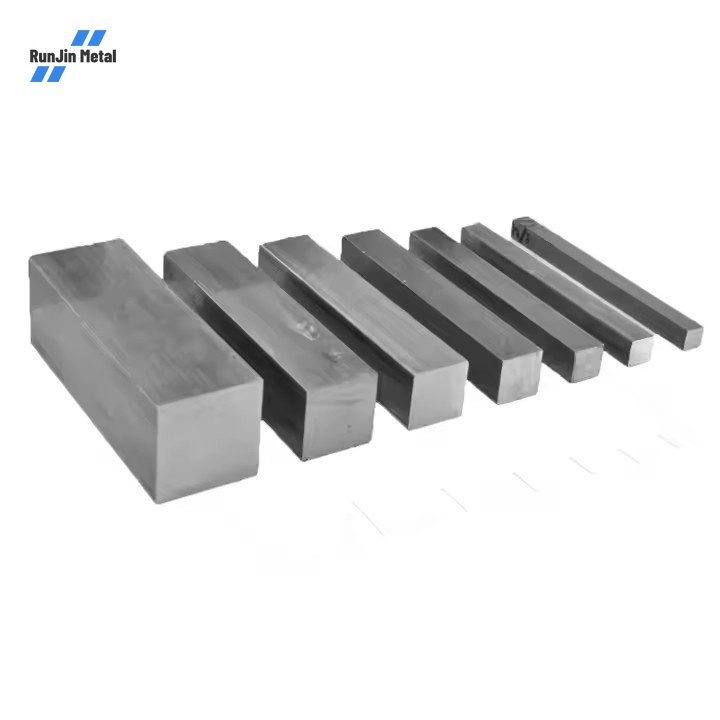
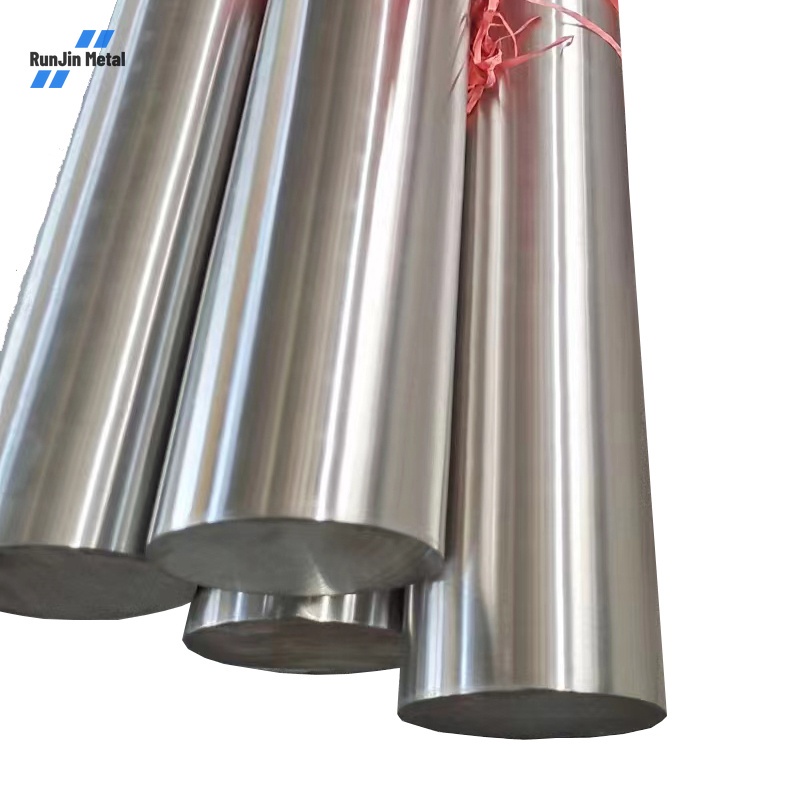
Product Display
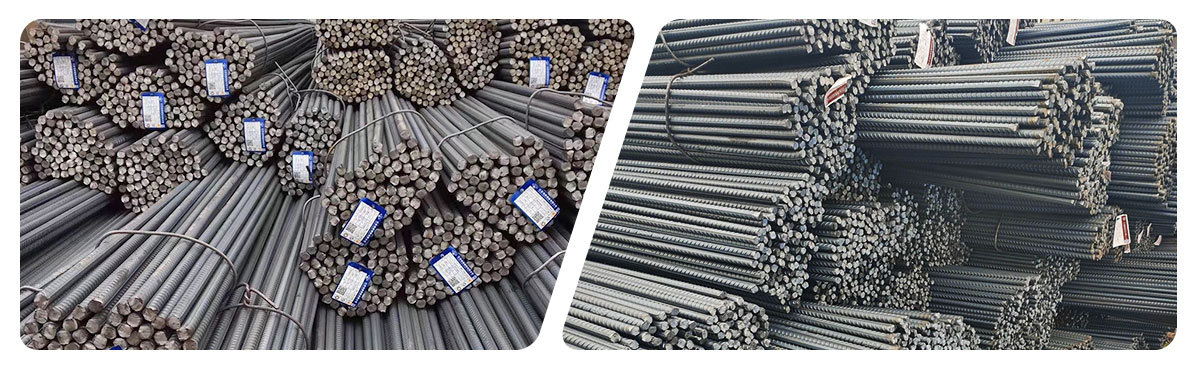
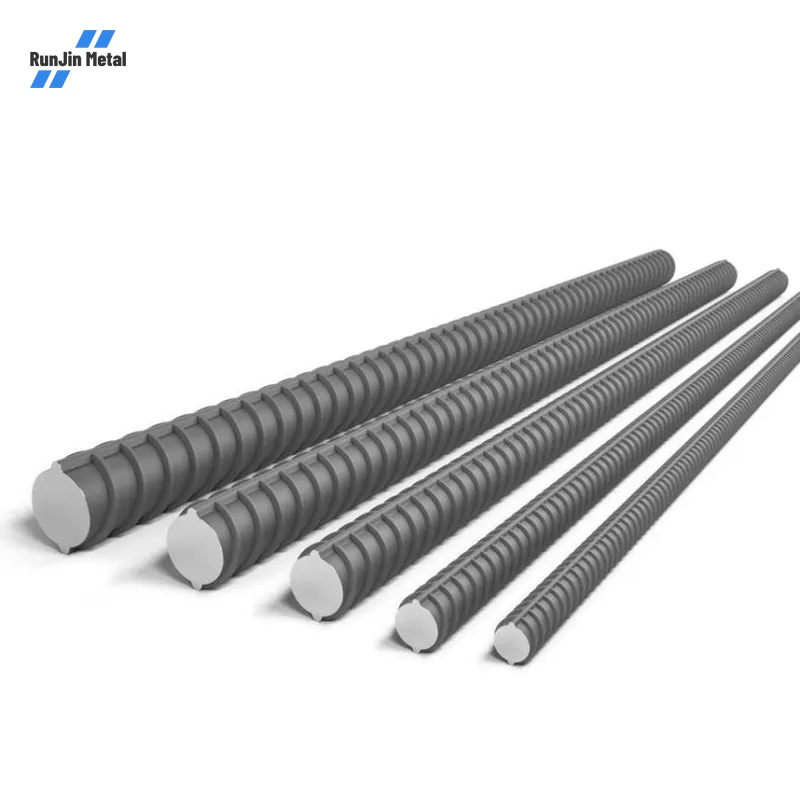
Rebar, short for “reinforcing bar” or “reinforcement bar”, is a metal bar that is used to help increase the tensile strength of concrete. As a result, it helps concrete structures withstand tensile, bending, torsion, and shearing loads. Since these are areas of weakness for concrete, rebar strengthens concrete structures that would otherwise fall apart under these forces.
Rebar is not typically visible in concrete structures because it is usually buried within the concrete structure. It is almost always made of steel because steel has thermal expansion properties like concrete which reduces temperature change issues. Rebar is usually not smooth, it is made with ribs to prevent slippage within the concrete structure.
Product Introduction
How is rebar made?
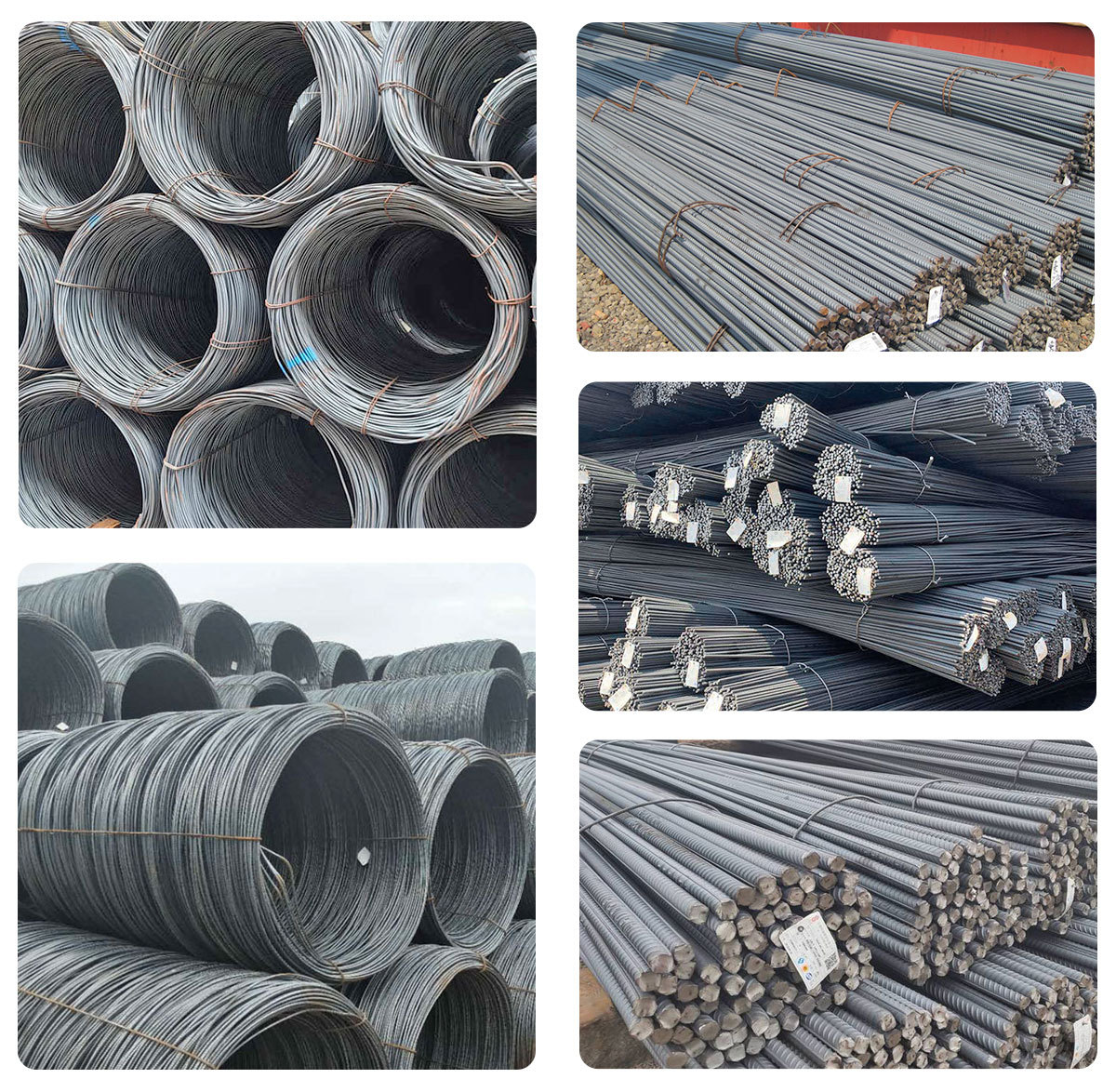
Rebar is almost always made from steel, which has excellent tensile properties relative to concrete. Interestingly, it is commonly made from recycled steel such as old cars, appliances, and machinery that are melted down with electric arc furnaces, cooled in the form of billets, and then stored. Once the billets are ready to be used for making rebar, they are reheated to an elevated temperature (but below their melting temperature) and are fed rapidly through a series of extrusion tools. The different stages of extrusion tooling continue to neck down the steel billet into smaller and smaller diameter rods until the desired rebar diameter is achieved. A set of tooling creates the deformations needed to prevent slippage within the concrete. The rebar is then sheared to the desired length.
How does rebar work?
The tensile strength of the steel rebar complements the compressive strength of concrete to create structures that have a blend of both types of strength. This reduces the risk of fractures and allows the structure to better withstand movements and forces that might otherwise cause a concrete structure to fail.
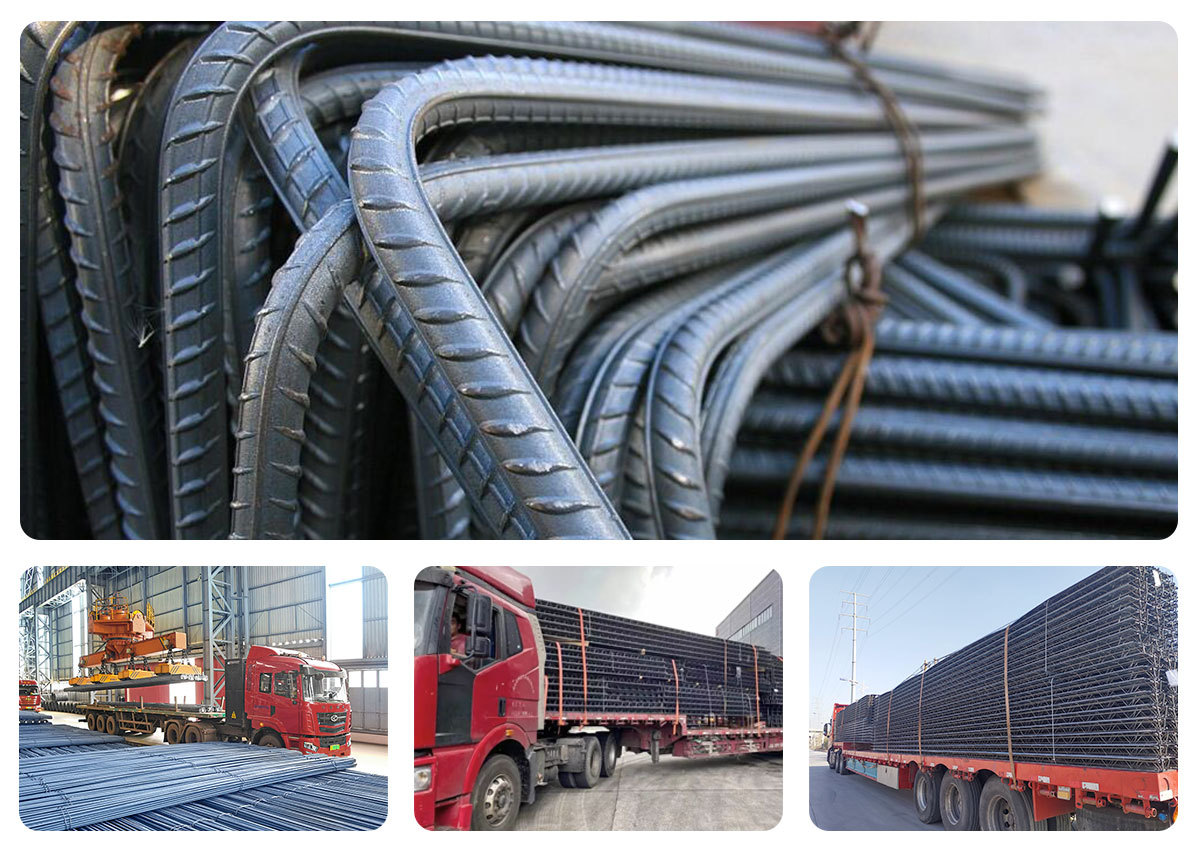
Rebar is often laid in a grid pattern. This means that different segments of rebar are placed parallel and perpendicular to one another so that it can withstand tensile forces from many directions. The deformations on the exterior of the rebar ensure that the rebar does not slip out of the concrete structure. Sometimes rebar is bent at the ends to further anchor it in place within a concrete structure.
Advantages of Deformed Steel Rebars
1. High strength: The strength of steel bars is much higher than that of ordinary concrete materials, which can significantly improve the strength and load-bearing capacity of concrete, so that reinforced concrete structures can withstand large loads. This feature makes steel bars an important material for building large projects such as high-rise buildings and bridges.
2. Good corrosion resistance: Steel bars have undergone specific anti-corrosion treatment and have excellent corrosion resistance. This ensures that the steel bars can be used for a long time in harsh environments such as moisture and salt spray without serious corrosion, thereby extending the service life of the building structure.
3. Convenient construction: Steel bars are plastic and weldable, and can be easily processed into various shapes and sizes for easy construction. In addition, the connection methods such as tying and welding of steel bars are relatively simple, which improves construction efficiency.
4. Reasonable price: Compared with other high-performance materials, the price of steel bars is relatively moderate and has good economy. This makes steel bars widely used in the construction field and one of the important factors for controllable construction costs.
Application of Deformed Steel Rebars
1.Foundation structure: In the foundation structure of a building, steel bars are widely used in the pedestals, ground beams and other parts to enhance the bearing capacity and stability of the foundation.
2.Load-bearing structure: In the load-bearing structure of a building, such as load-bearing beams and load-bearing walls, steel bars play a vital role. By rationally configuring steel bars, the bearing capacity and seismic performance of these structures can be significantly improved.
3.Earthquake-resistant structure: In earthquake-resistant structures, such as structural columns and ring beams, the use of steel bars can enhance the integrity and stability of the building and improve the earthquake resistance of the building.
4.Plate joint connection: Steel bars can also be used as plate joint materials to connect different concrete plates to form an integral structure and improve the stability and safety of the structure.
Quality Control
We have our own Physical & Chemical Testing Center Lab to guarantee our product quality. Our test items & instrument fully meet international standards.
Our Services
As a leading company, we are known for our excellent product quality and professional services, providing our customers with a reliable partner. We have a global sales network that can meet the needs of customers in different countries and regions.
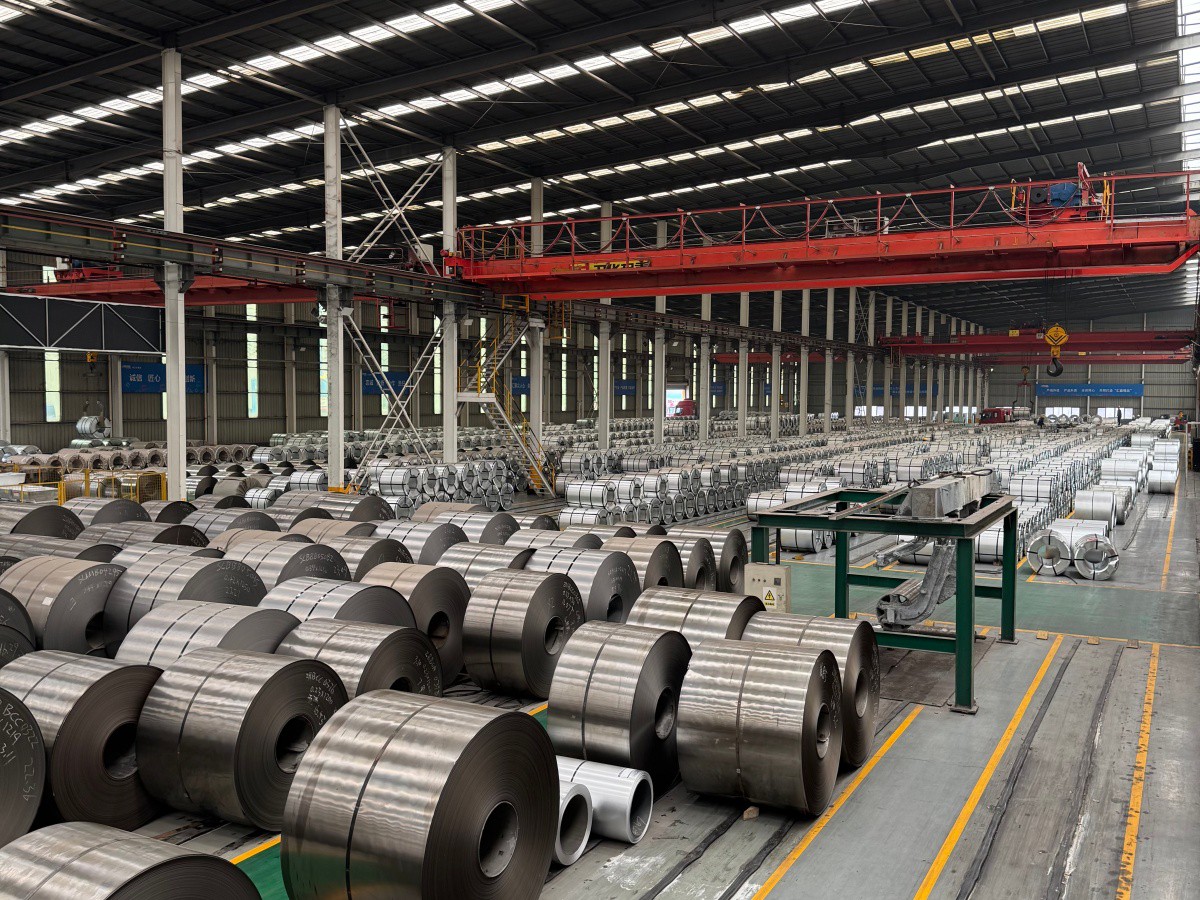
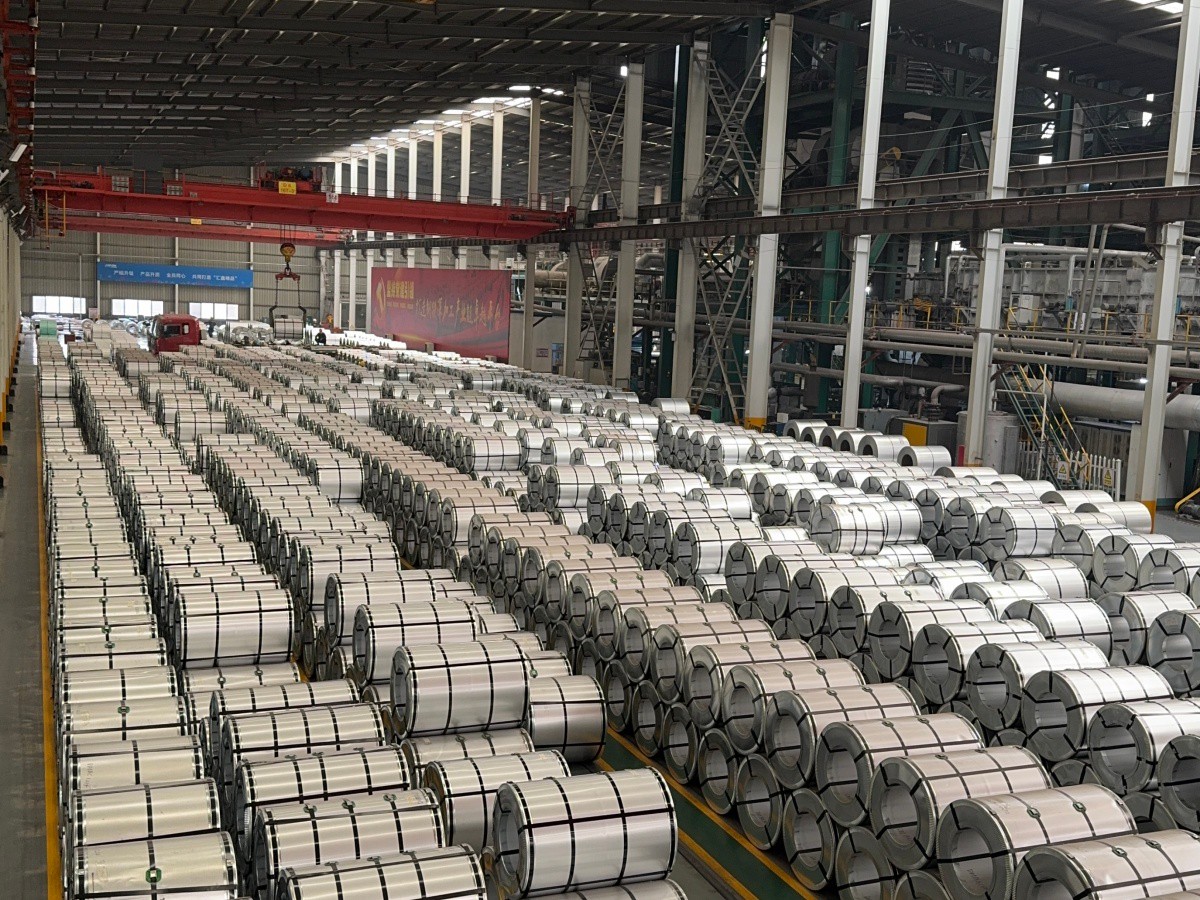
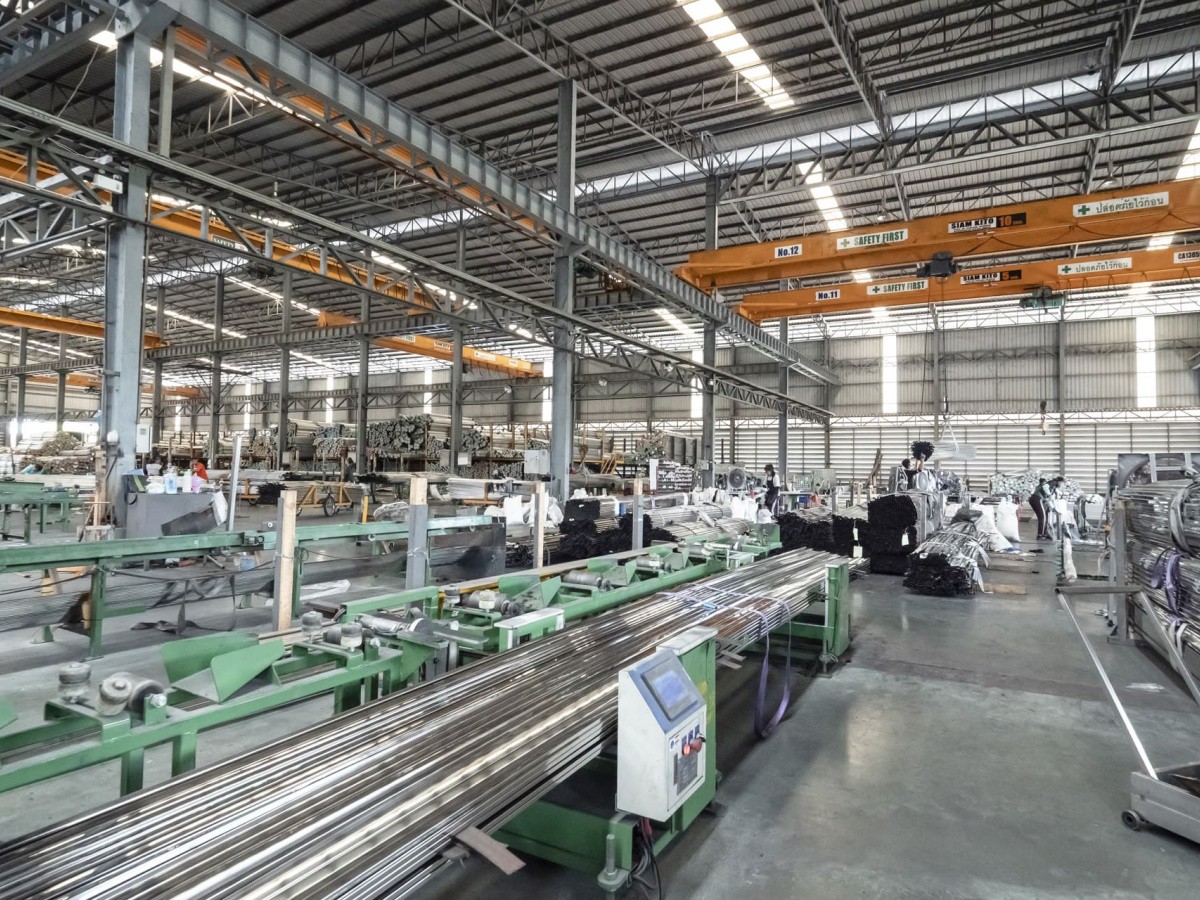
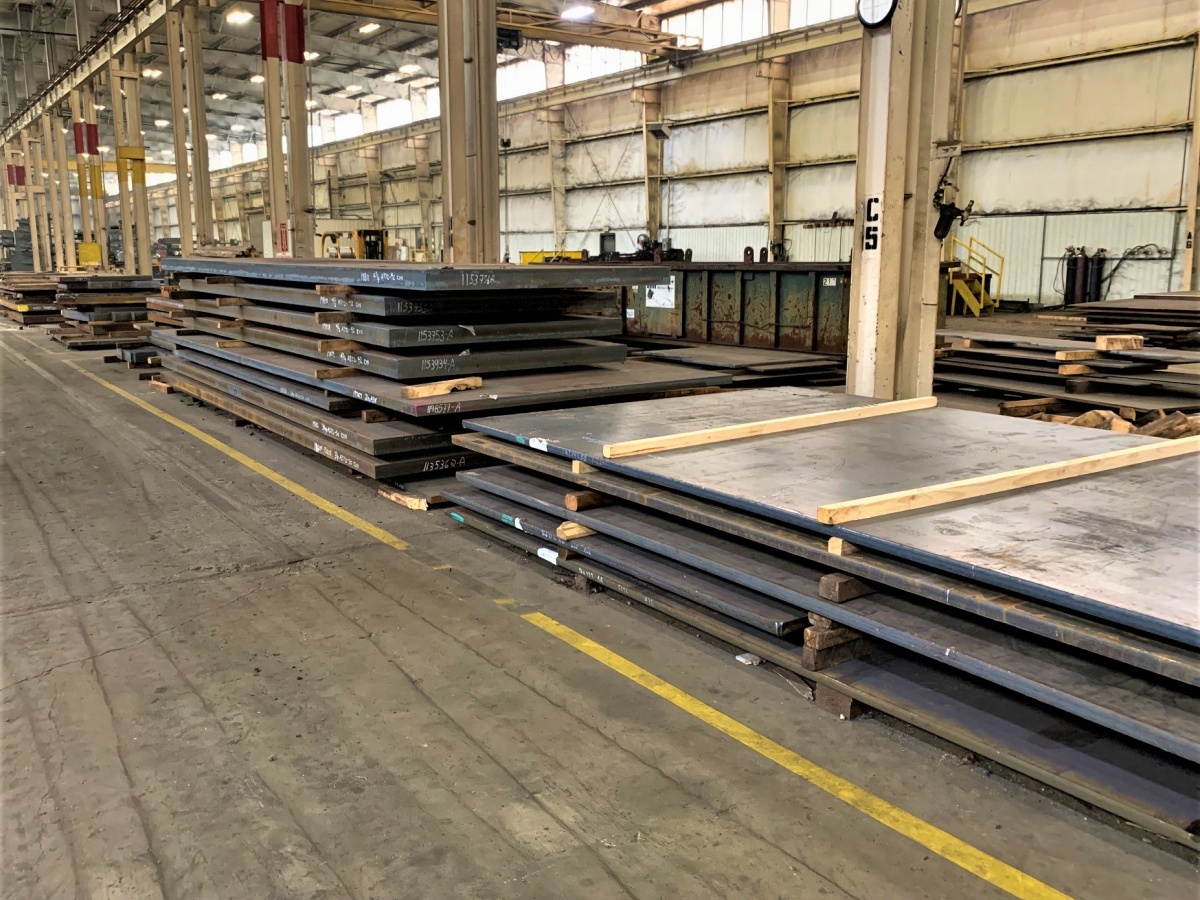
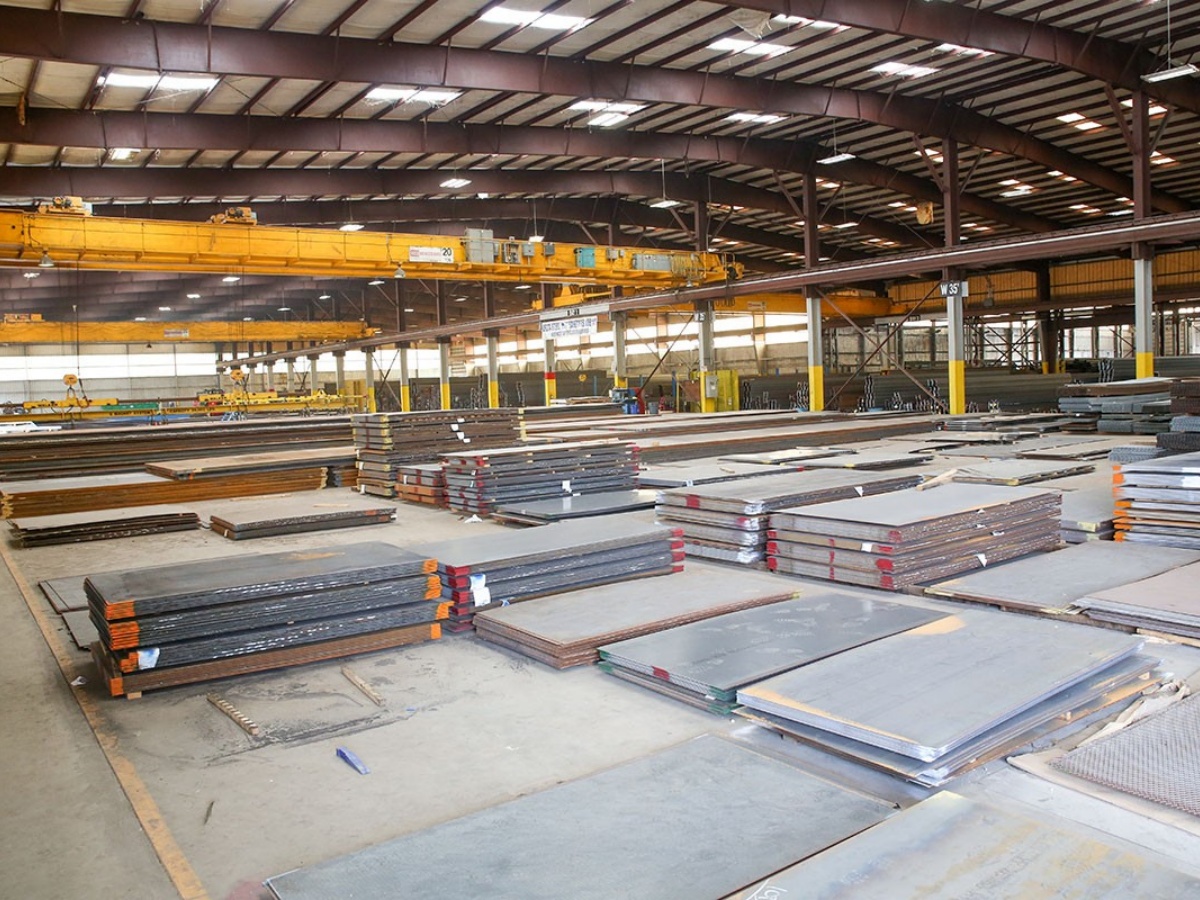
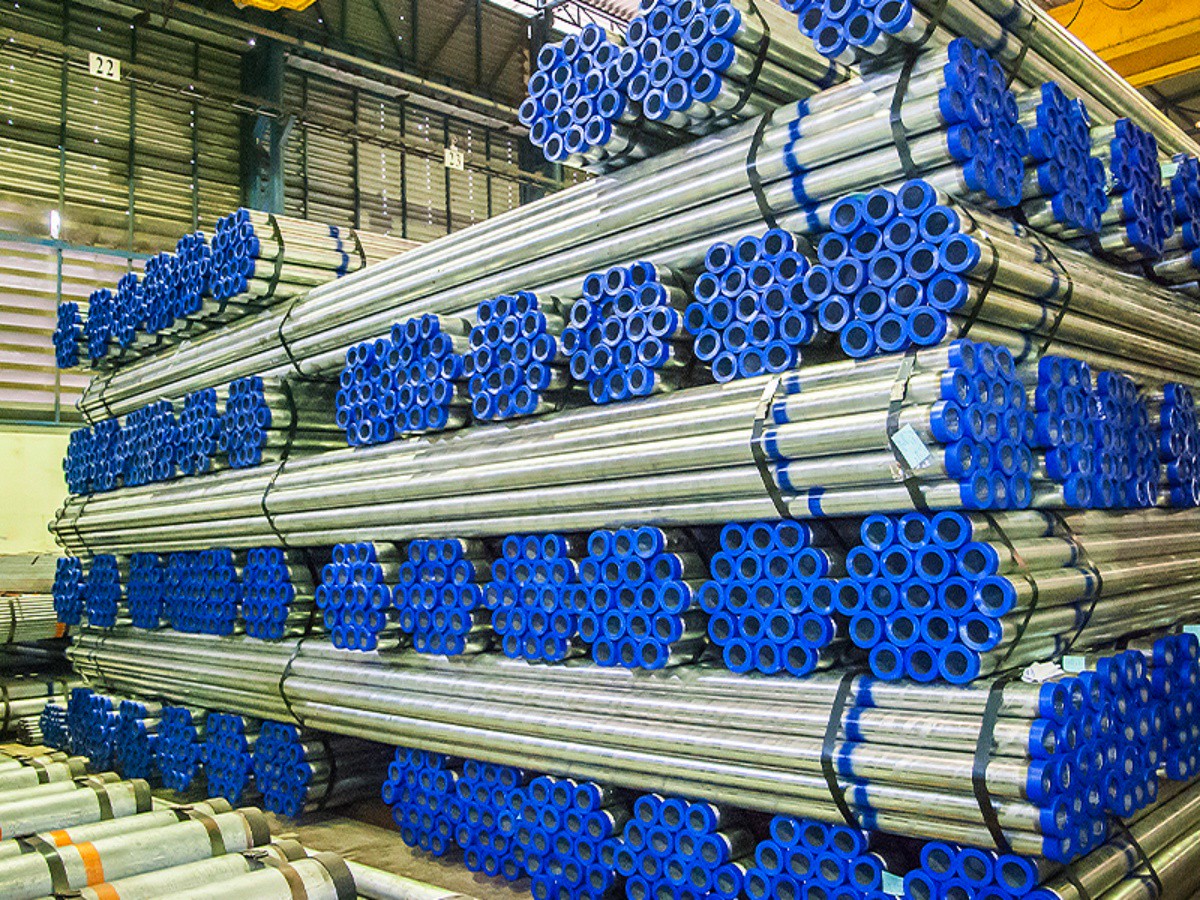
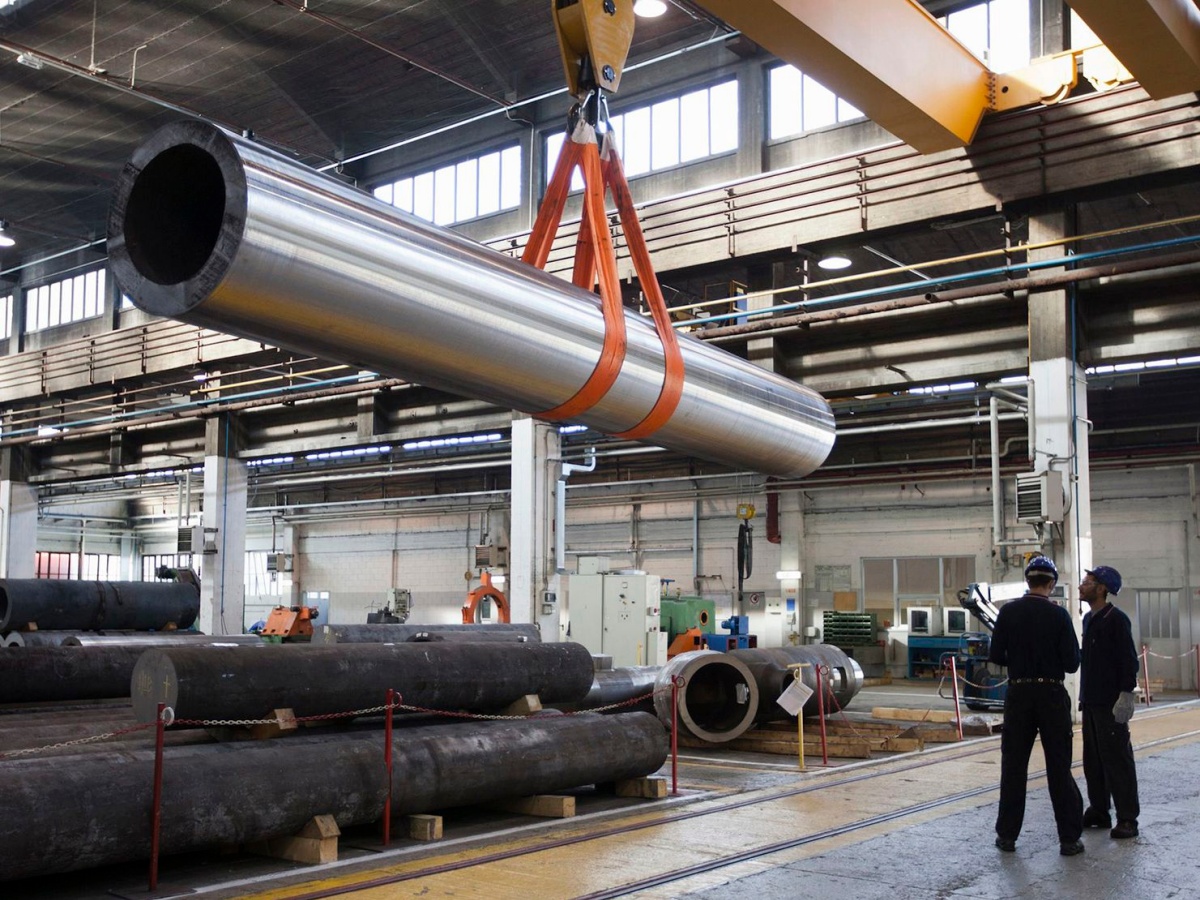
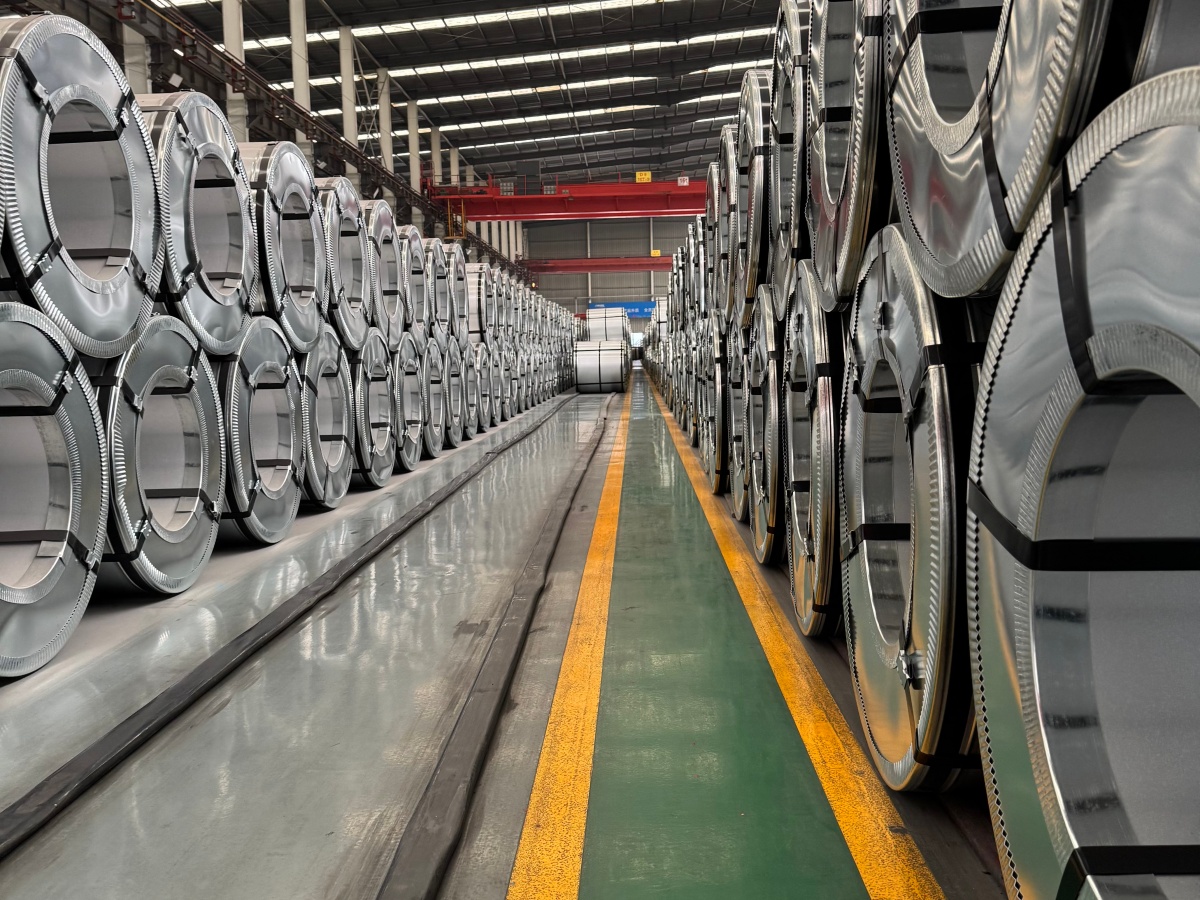
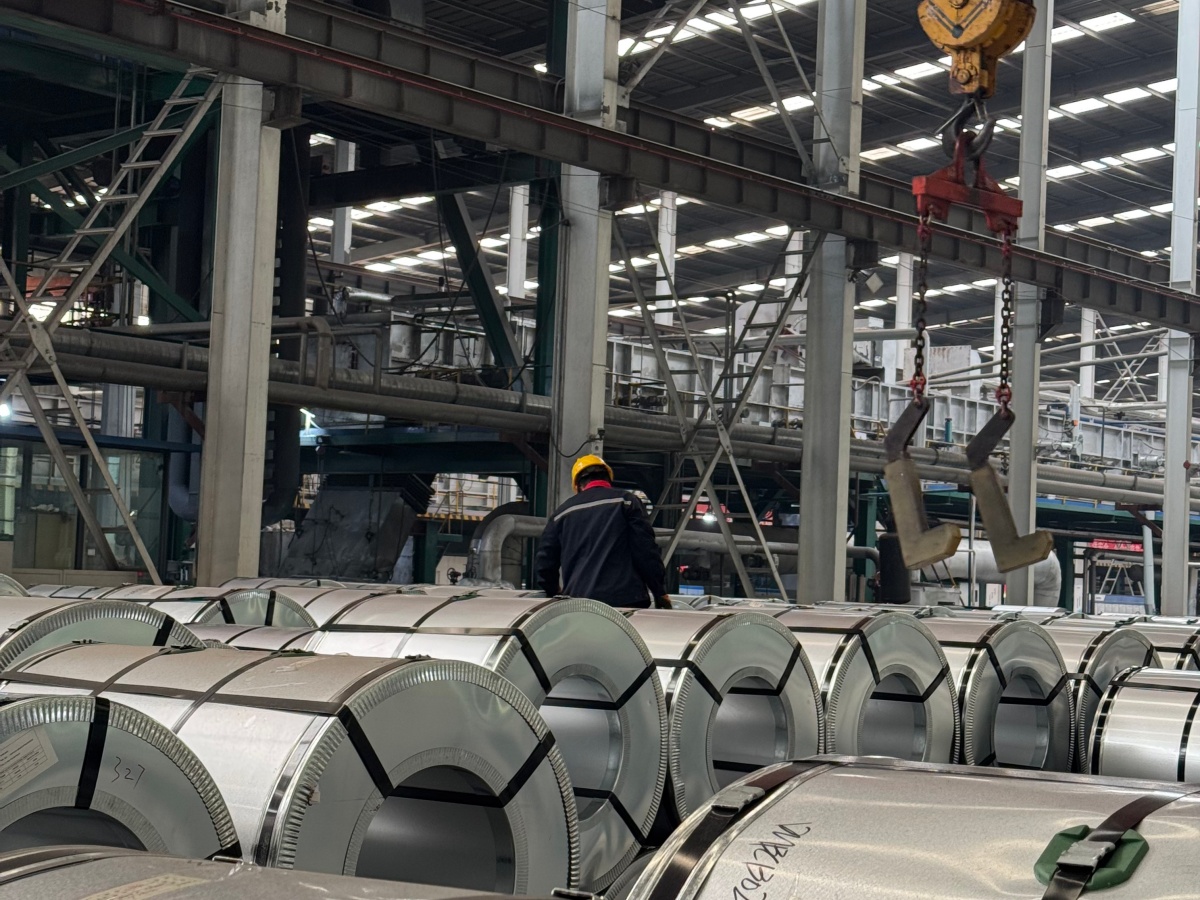
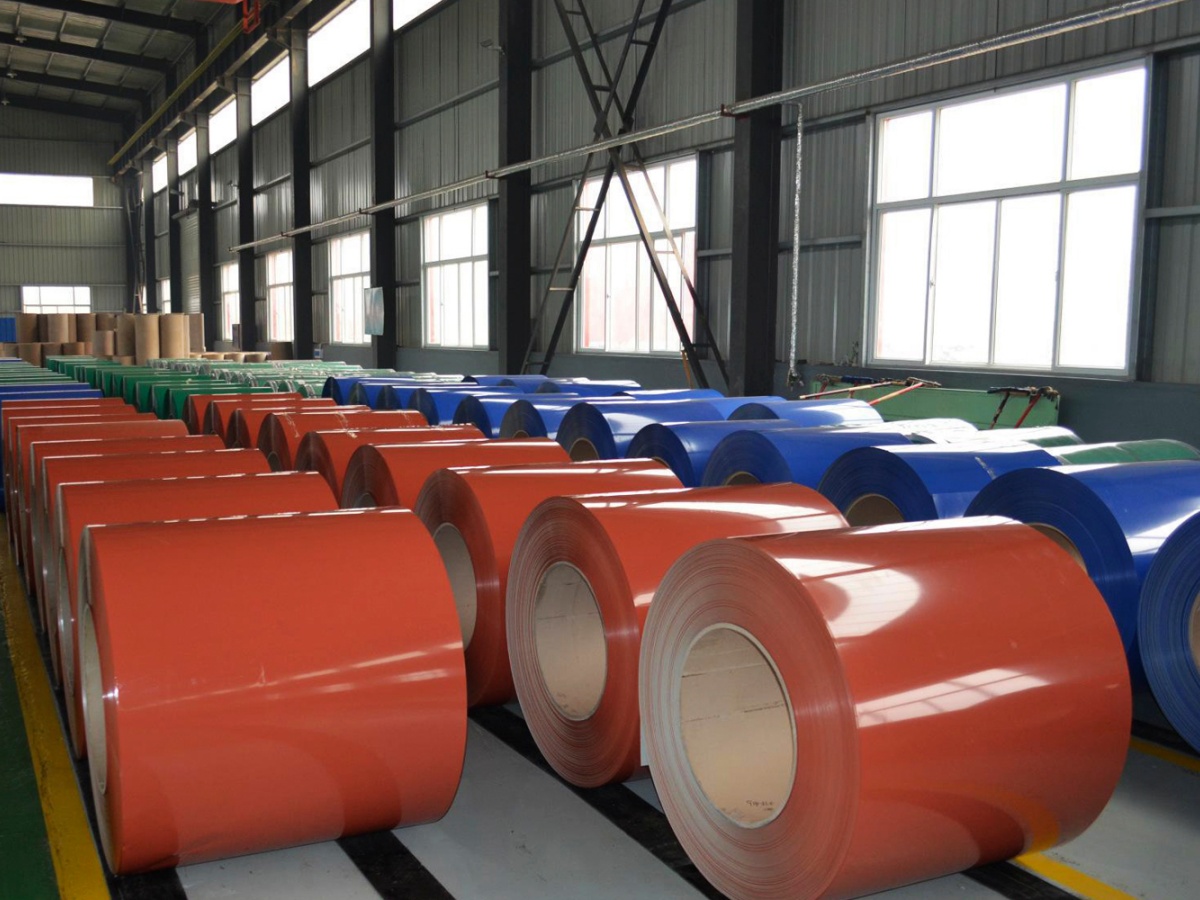
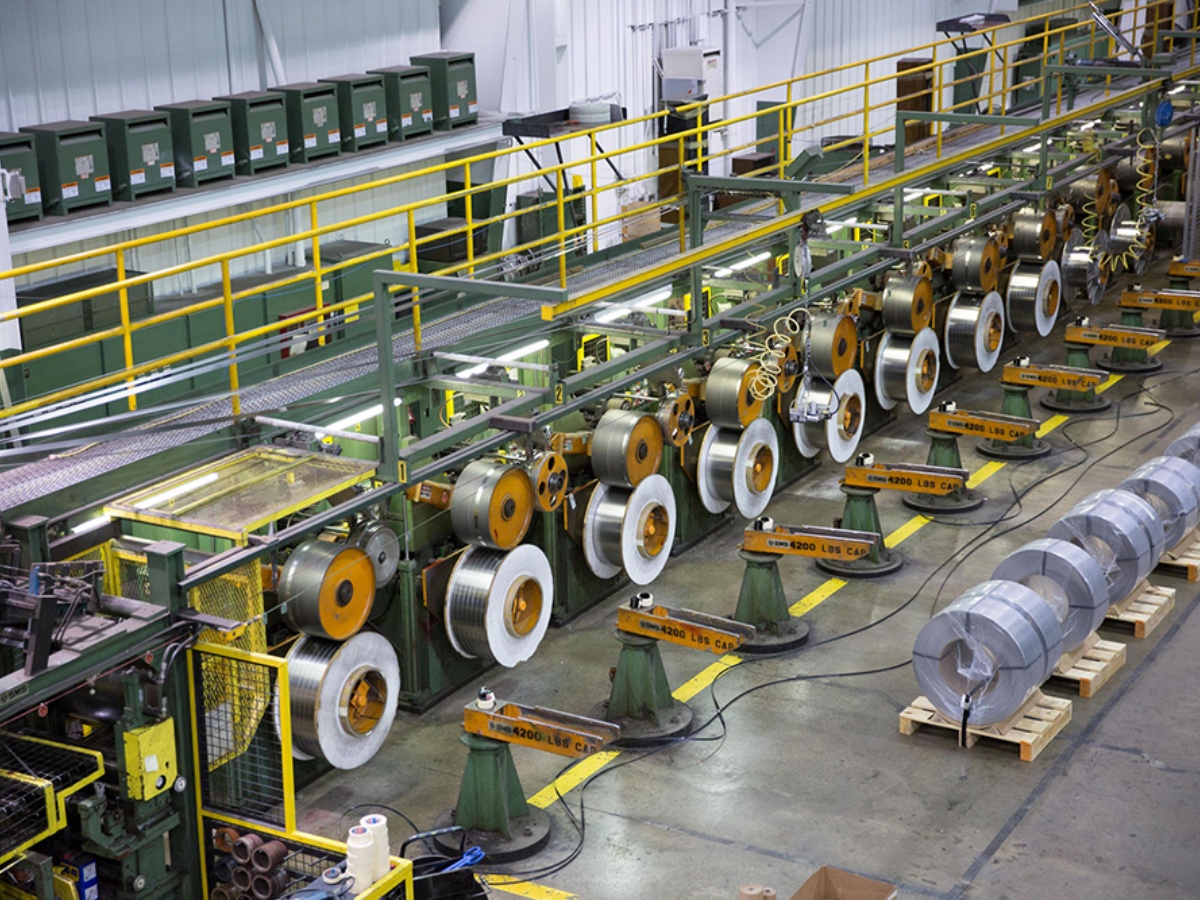
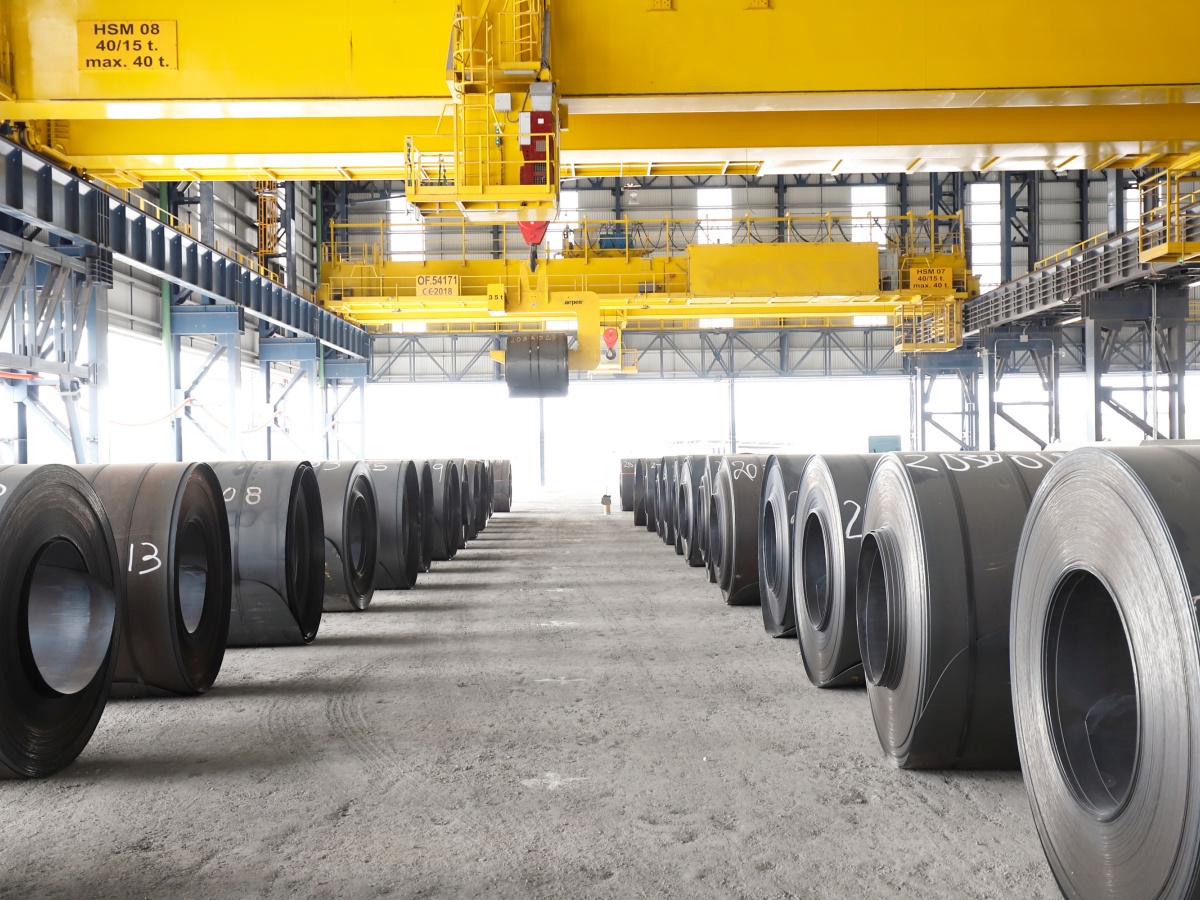
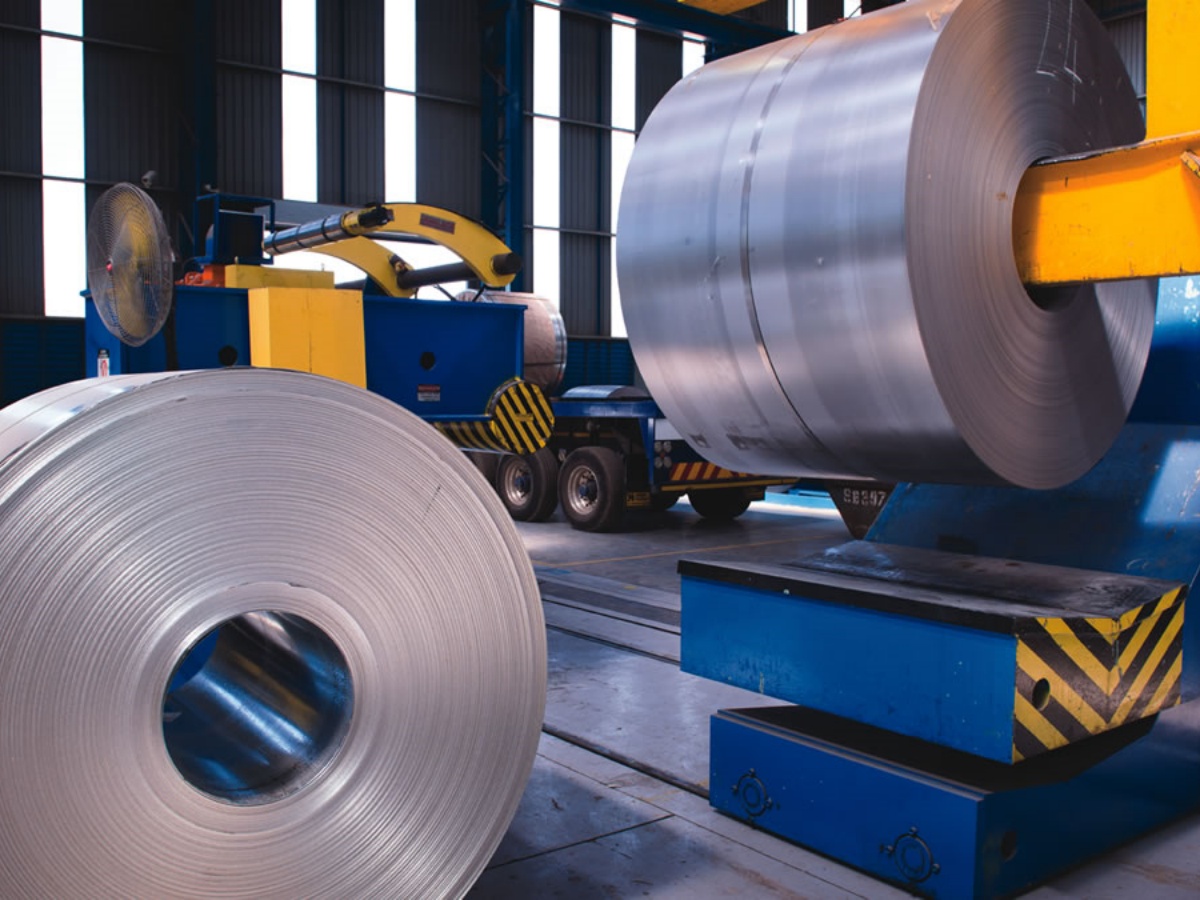
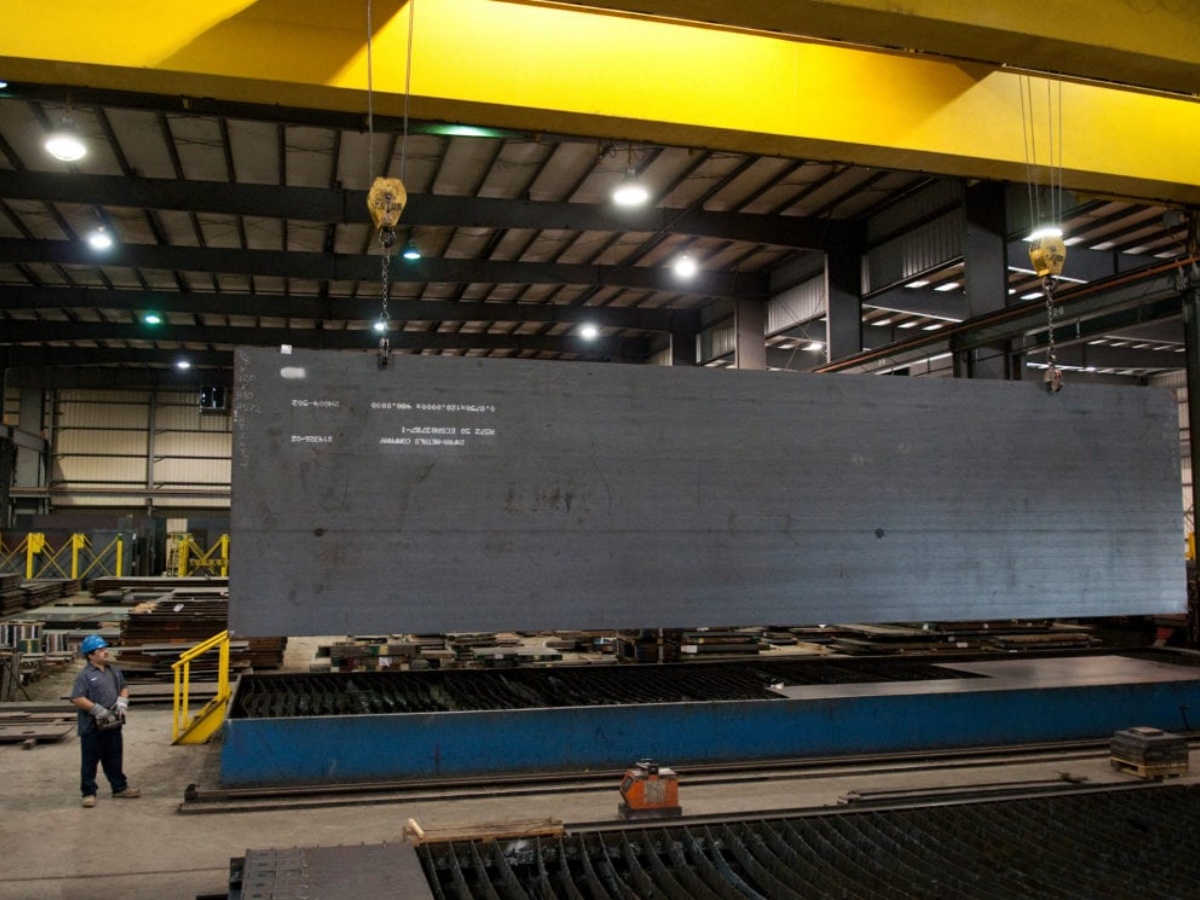
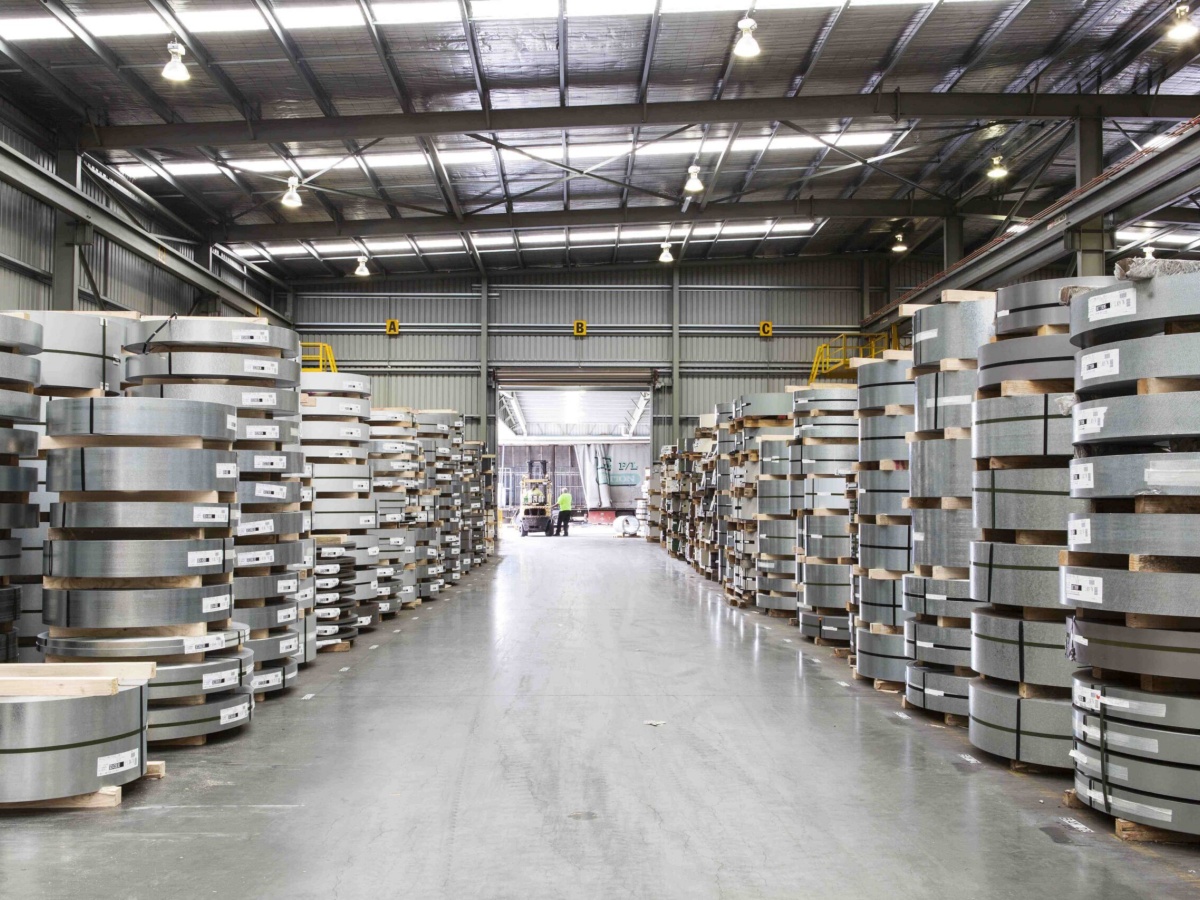
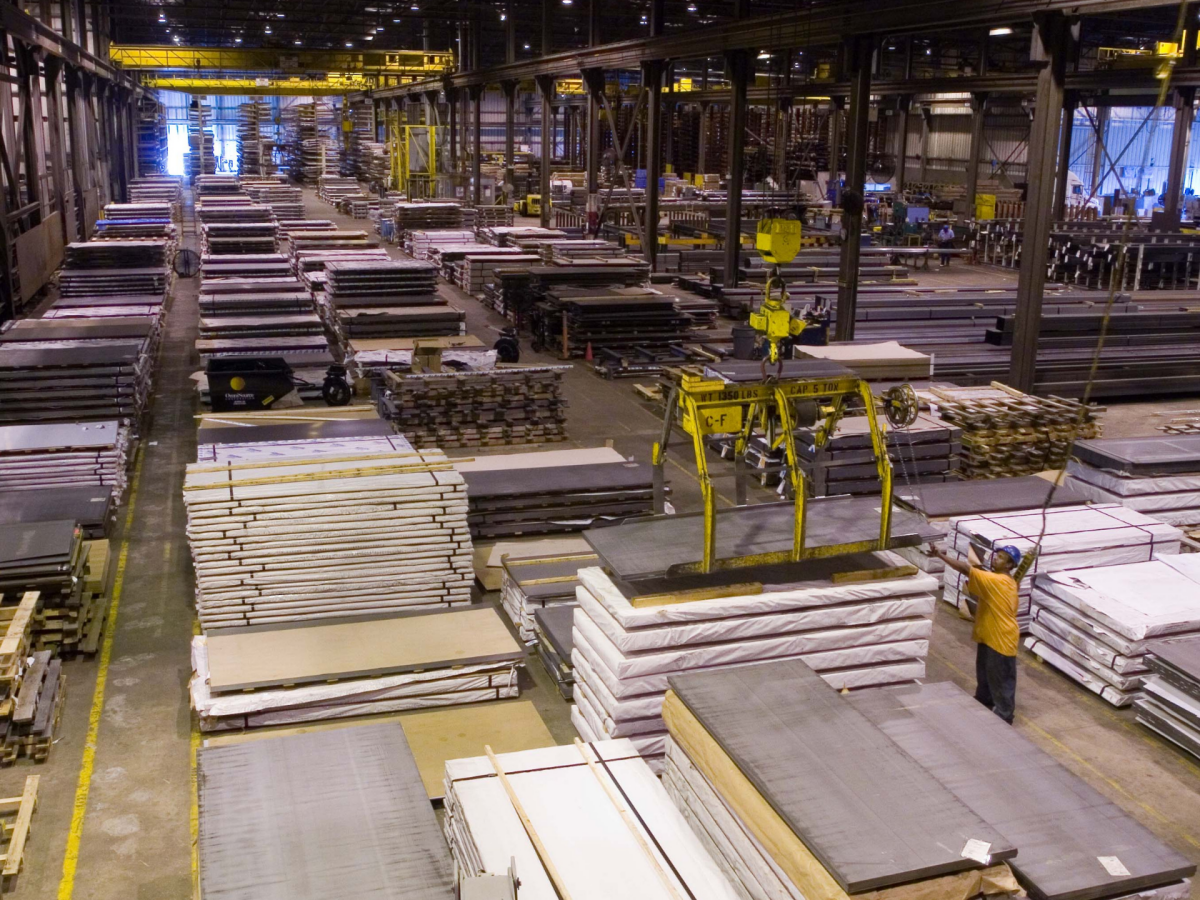
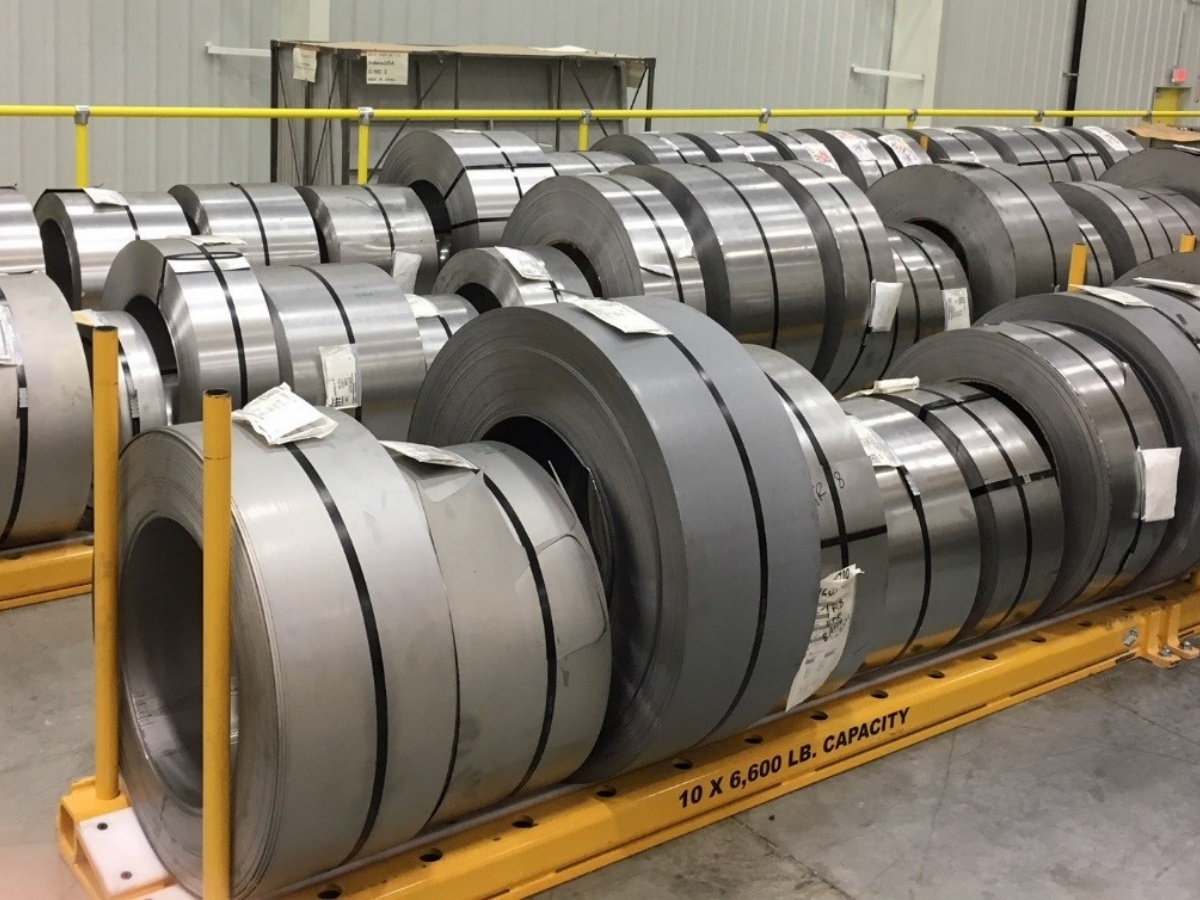
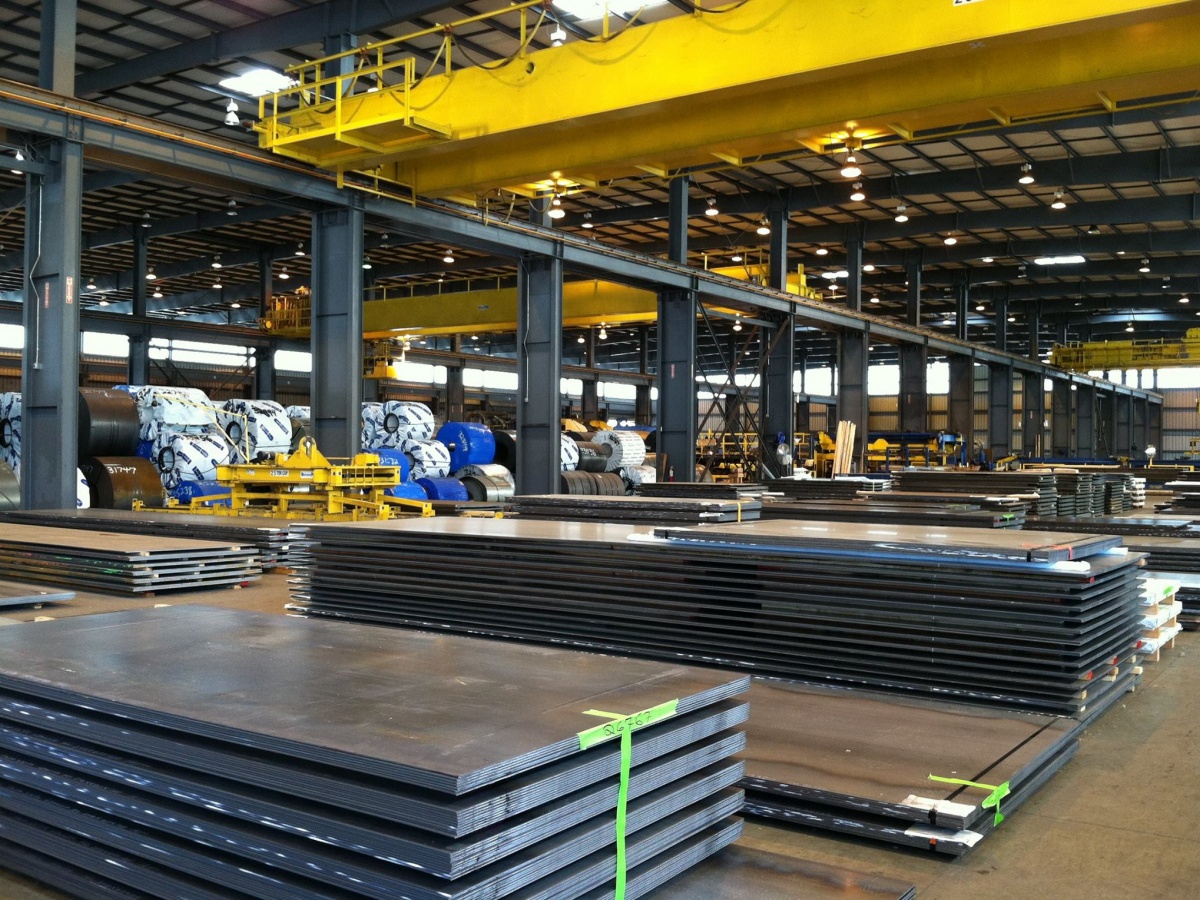
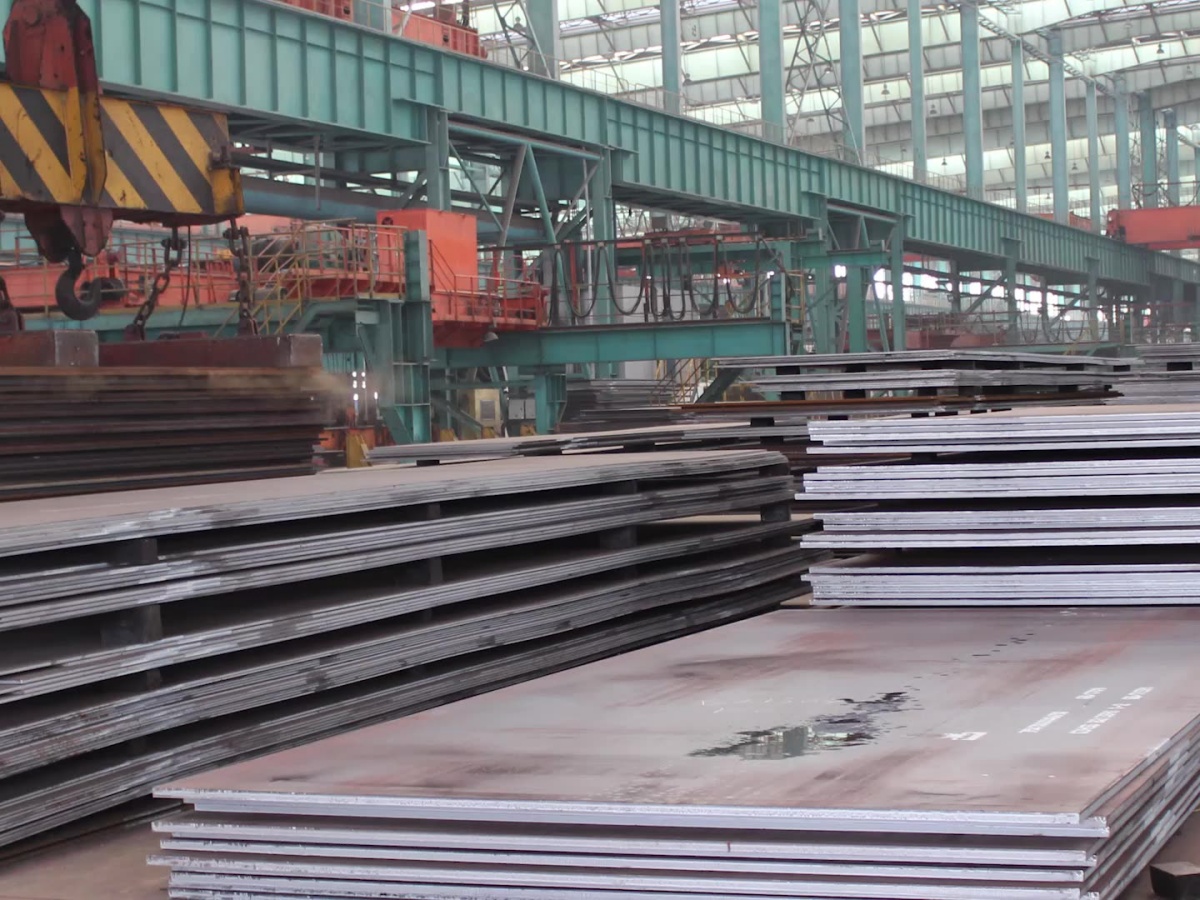
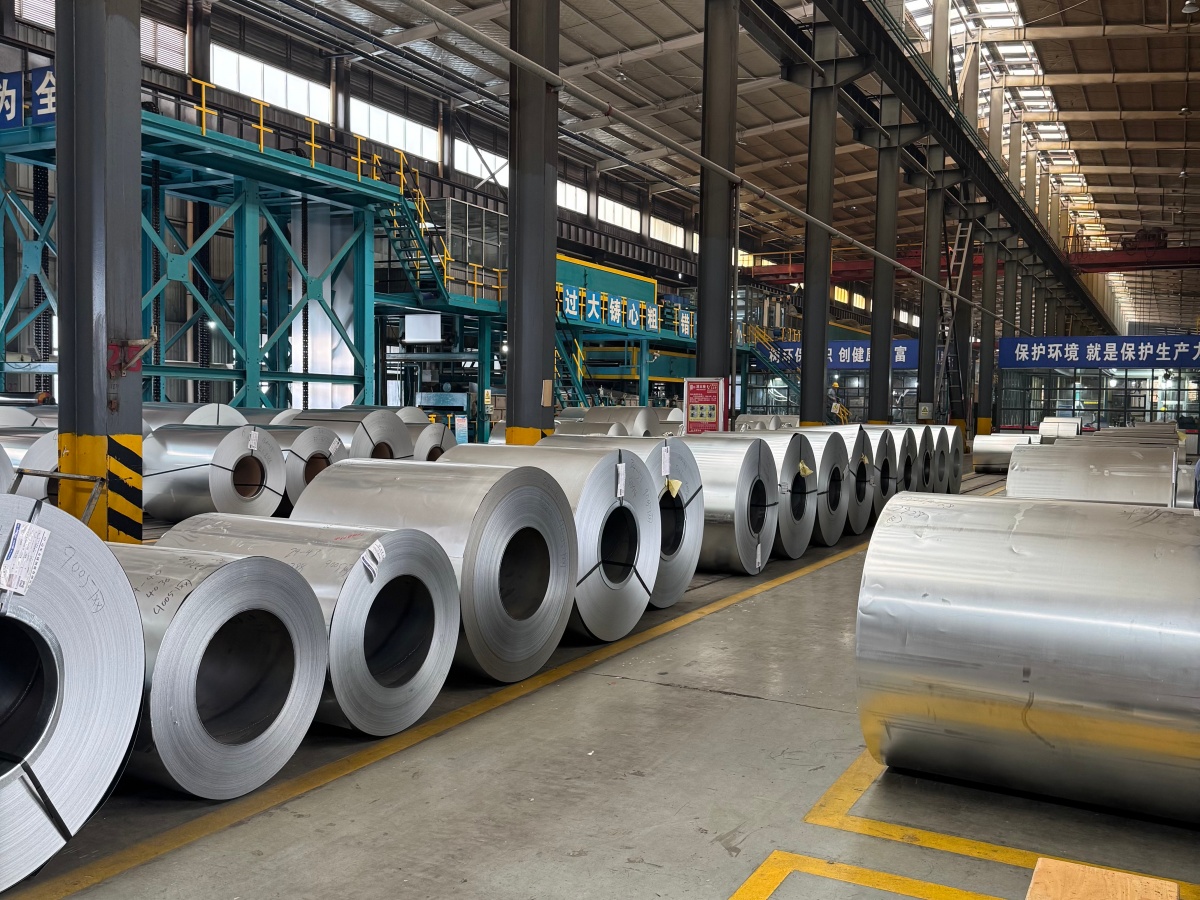
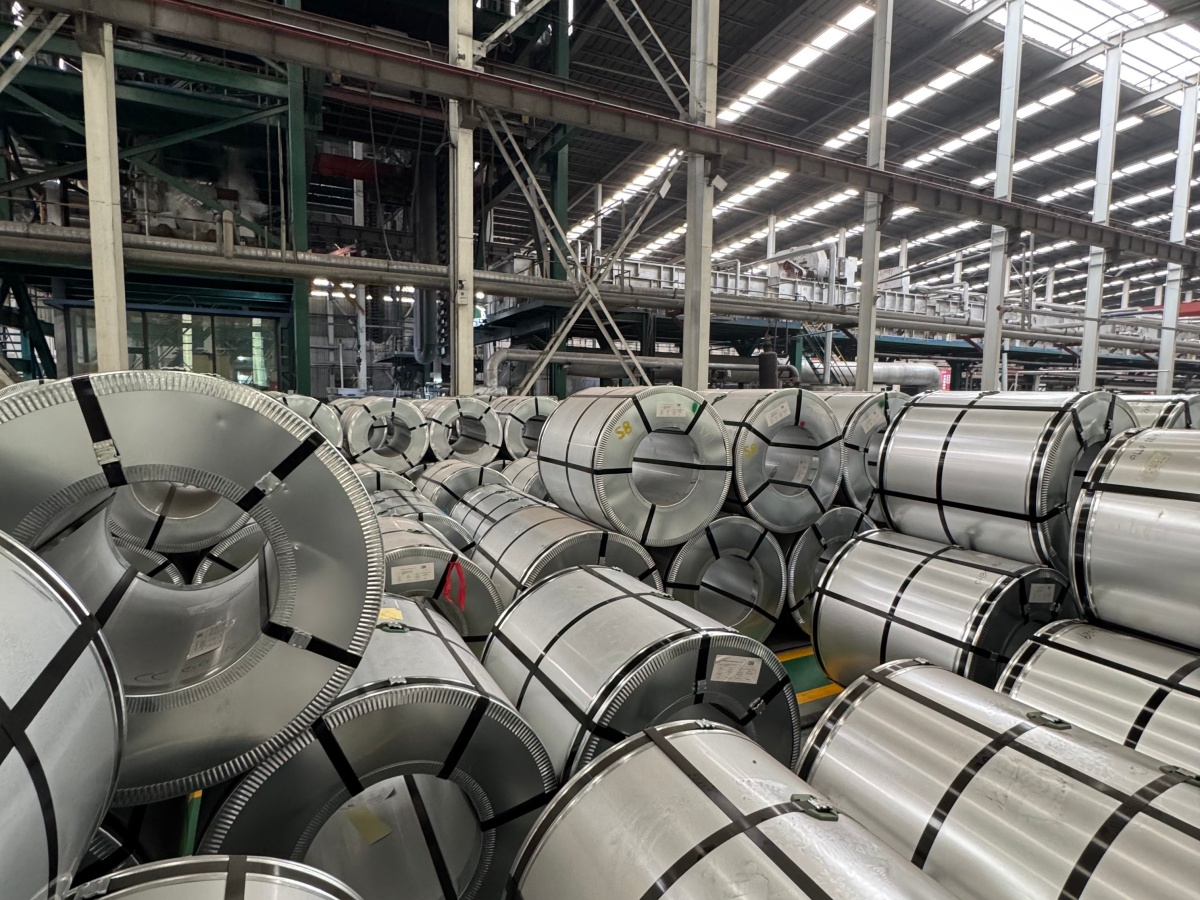
Factory Display
FAQ
Q: Are you a trading company or a manufacturer?
A: We have our own factory
Q: How long is your delivery time?
A: If goods are available, it is usually 5-10 days. Or if the goods are not in stock, within 30 days, calculate by quantity.
Q: What are the advantages of our products?
A: Good equipment and experience team, quality assurance, support customization, sufficient inventory and timely delivery.
Q:What is your packing method?
A: Standard export packaging or as required
Products Recommended
 Seamless Carbon Steel Round Pipe
 Galvanized Steel Round Pipe
 Galvanized Steel Sheet and Plate
 Stainless Steel Sheet and Plate
 Stainless Steel Coil
 Rebar
Rebar Galvanized Steel Round Bar
 Stainless Steel Rod Bar
 Stainless Steel Round Bar
 Stainless Steel Square Bar
 Stainless Steel Flat Bar
 Carbon Steel Round Bar
 201 Stainless Steel Rod Bar
 Carbon Steel Square Bar
 304 Stainless Steel Rod Bar
 Carbon Steel Rectangular Bar
 Seamless Carbon Steel Square Pipe
 Galvanized Steel C-Shape Channel
 316L Stainless Steel Rod Bar
 Carbon Steel Flat Bar
 Seamless Carbon Steel Rectangular Pipe
 Cold Rolled Carbon Steel Plate
 Galvanized Steel U-Shape Channel
 321 Stainless Steel Rod Bar
 Carbon Steel Hexagon Bars
 Welded Carbon Steel Round Pipe
 Hot Rolled Carbon Steel Plate
 Weathering Carbon Steel Plate
 Galvanized Angle Steel
 420 Stainless Steel Rod Bar
 Welded Carbon Steel Square Pipe
 Wear-Resisting Carbon Plate
 Galvanized Steel I-Beam
 430 Stainless Steel Rod Bar
 Q345 Carbon Steel Bar
 Welded Carbon Steel Rectangular Pipe
 Thick Wall Seamless Carbon Steel Pipe
 Chequered Carbon Steel Plate
 Galvanized Steel H-Beam
 Carbon Steel Scaffolding Pipe
Leave A Message
If you are interested in our products and want to know more details, please leave a message here, we will reply you as soon as we can.